Shared Hosting vs VPS Hosting: Which Is Right for You?
- Thursday, 17th September, 2026
- 07:42am
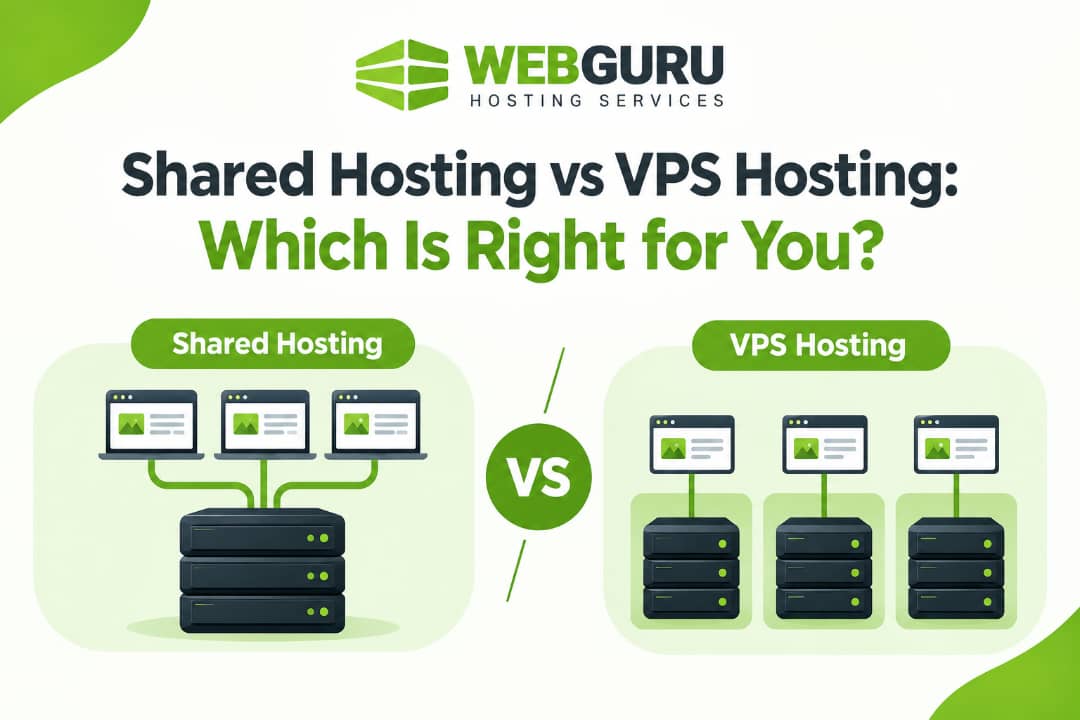
Choosing the right hosting plan is one of the most important decisions you can make when building a website. Whether you are launching a personal blog, starting an online store, or creating a website for your business, your hosting choice can affect your website’s performance, security, reliability, and ability to grow.
For many website owners searching for web hosting in Nigeria, two common options are shared hosting and VPS hosting. Both can provide the resources needed to run a website, but they are designed for different requirements.
So, what is the difference between shared hosting and VPS hosting? Which option should you choose for your website?
In this guide, we’ll compare shared hosting and VPS hosting, explain their advantages and limitations, and help you determine which solution best fits your website’s current needs.
What Is Shared Hosting?
Shared hosting is a type of web hosting where multiple websites are hosted on the same physical server. These websites share the server’s resources, including processing power, memory, and storage.
Think of shared hosting like renting an apartment in a large building. You have your own space, but you share some of the building’s resources and facilities with other residents.
Shared hosting is popular because it is generally affordable, simple to manage, and suitable for many small and medium-sized websites.
Advantages of Shared Hosting
1. Affordable
Shared hosting is often one of the most cost-effective ways to get a website online. Because multiple websites share the cost of the server, hosting providers can offer plans at lower prices.
2. Easy to manage
You generally do not need advanced server administration knowledge to use shared hosting. Many hosting providers handle server maintenance, security updates, and other technical responsibilities.
3. Suitable for smaller websites
Blogs, portfolios, small business websites, landing pages, and new websites can often operate effectively on shared hosting.
4. Convenient for beginners
If you are new to website management, shared hosting can provide a relatively straightforward way to launch and manage your website.
Limitations of Shared Hosting
The main limitation is that your website shares server resources with other websites. If another website experiences unusually high traffic or consumes significant resources, it can potentially affect the performance available to other accounts.
Shared hosting may also provide less server-level control than VPS hosting.
What Is VPS Hosting?
VPS stands for Virtual Private Server. VPS hosting uses virtualization technology to divide a physical server into separate virtual environments.
Although multiple VPS accounts may exist on the same physical server, each VPS is allocated its own resources and operates as an independent server environment.
Using the apartment example, VPS hosting is more like having your own private apartment within a building. You still share the overall building infrastructure, but you have greater control over your own space and resources.
VPS hosting is often chosen by businesses, developers, and website owners whose websites have outgrown basic shared hosting.
Advantages of VPS Hosting
1. Dedicated resources
A VPS provides allocated resources such as RAM, CPU, and storage. This can provide more predictable performance compared with a shared environment.
2. Greater control
VPS hosting typically provides greater control over the server environment. Depending on the plan, you may be able to install software, configure applications, and customize the server to meet specific requirements.
3. Better scalability
As your website grows, VPS hosting can provide more room to increase resources and accommodate changing requirements.
4. Suitable for demanding websites
Web applications, growing e-commerce websites, business platforms, and other resource-intensive projects may benefit from a VPS environment.
Limitations of VPS Hosting
VPS hosting usually costs more than entry-level shared hosting. It can also require more technical knowledge, particularly when using an unmanaged VPS.
For a small website with limited requirements, the additional resources and control of a VPS may not always be necessary.
Shared Hosting vs VPS Hosting: Key Differences
Understanding the major differences can make your decision easier.
|
Feature |
Shared Hosting |
VPS Hosting |
|
Resources |
Shared among accounts |
Allocated resources |
|
Cost |
Generally lower |
Generally higher |
|
Performance |
Suitable for smaller websites |
Better suited to resource-intensive websites |
|
Control |
More limited |
Greater control |
|
Scalability |
More limited |
More flexible |
|
Technical knowledge |
Usually beginner-friendly |
May require more technical knowledge |
|
Best suited for |
Blogs, portfolios, small websites |
Growing businesses, applications, larger websites |
Performance
Performance is an important consideration when selecting web hosting in Nigeria or anywhere else.
With shared hosting, multiple websites use the same server environment. This makes it an affordable option, but resource usage by other accounts can sometimes affect overall performance.
VPS hosting provides allocated resources, giving your website a more isolated environment and greater control over available computing resources.
However, actual performance depends on several factors, including the hosting provider, server configuration, website optimization, software, traffic levels, and resources included in the plan.
Resources
Shared hosting resources are shared across multiple accounts, while VPS hosting provides allocated resources within your virtual server environment.
If your website requires more RAM, CPU resources, or storage, VPS hosting may provide the flexibility you need.
Scalability
Website traffic can change over time. A website that performs well today may require additional resources as its audience grows.
Shared hosting can be suitable for starting out, while VPS hosting may provide more flexibility for websites that need to scale.
Security
Both shared hosting and VPS hosting can be secure when properly configured and maintained. However, VPS hosting provides greater isolation and control over the server environment.
Security also depends heavily on the hosting provider, server configuration, software updates, website applications, passwords, backups, and other security practices.
Control and Customization
Shared hosting is designed for convenience and ease of use, so server-level customization may be limited.
VPS hosting generally provides greater administrative control. This can be particularly useful for developers and businesses running applications with specific server requirements.
Which Hosting Is Right for Your Website?
There is no single hosting option that is appropriate for every website. Your decision should depend on your website’s size, traffic, technical requirements, budget, and growth plans.
Choose Shared Hosting If…
Shared hosting may be suitable if:
· You are launching your first website.
· You run a personal blog or portfolio.
· You have a small business website.
· Your website has relatively modest traffic.
· You want an affordable hosting solution.
· You prefer a simpler hosting environment.
· You do not need extensive server-level customization.
For many new websites, starting with shared hosting can provide the resources needed without paying for infrastructure they do not yet require.
Choose VPS Hosting If…
VPS hosting may be worth considering if:
· Your website is experiencing increased traffic.
· You need more predictable access to server resources.
· Your application requires specific server configurations.
· You need greater control over the server environment.
· You operate a growing e-commerce website.
· You run resource-intensive applications.
· Your website has outgrown the capabilities of your current shared hosting plan.
The important point is to choose based on your actual requirements rather than simply choosing the more powerful option.
Factors to Consider When Choosing Web Hosting in Nigeria
Before purchasing a hosting plan, consider more than just the monthly price.
1. Your Website Requirements
Determine what you are hosting. A simple company website may have very different requirements from an online store, membership platform, or web application.
2. Expected Traffic
Consider how many visitors you expect now and how much traffic you anticipate in the future.
If you are launching a new website, you may not need the resources required by a high-traffic platform.
3. Performance
Look at the resources included in the hosting plan and consider how the provider manages server performance.
A fast, reliable website can contribute to a better user experience and make it easier for visitors to interact with your content.
4. Storage and Bandwidth
Check the storage capacity and bandwidth provided by your hosting plan. Websites with large media libraries, online stores, or substantial traffic may have greater resource requirements.
5. Security
Consider features such as SSL support, backups, malware protection, account isolation, and server security.
Your website's security should be treated as an ongoing responsibility rather than something determined solely by the hosting plan.
6. Scalability
Choose a hosting provider that gives you room to grow.
Starting with a suitable shared hosting plan does not mean you must remain on shared hosting forever. As your website develops, you may be able to upgrade to a more powerful solution.
7. Customer Support
Technical problems can happen at any time. Responsive customer support can make a significant difference when you need assistance with your hosting account or website.
8. Price and Overall Value
Price matters, but the cheapest hosting plan is not necessarily the right choice.
Consider what you are receiving for the price, including resources, support, reliability, security features, scalability, and management tools.
Can You Upgrade from Shared Hosting to VPS?
Yes. Many website owners begin with shared hosting and move to VPS hosting as their requirements increase.
You may want to consider an upgrade when your website consistently uses a large portion of its available resources, experiences performance issues related to resource limitations, or requires server-level customization that your current hosting environment does not provide.
An upgrade can also make sense when your website becomes an important part of your business and requires greater control and scalability.
The key is not to upgrade simply because VPS hosting sounds more powerful. Upgrade when your website’s requirements justify the additional resources and cost.
Shared Hosting vs VPS Hosting: Which Should You Choose?
The answer depends on your website.
Shared hosting can be a practical starting point for individuals, bloggers, startups, and small businesses that need an affordable and easy-to-manage hosting solution.
VPS hosting can be appropriate for growing websites, businesses, developers, and applications that require more resources, control, customization, or scalability.
If you are just starting your website, shared hosting may provide everything you need. If your website has grown beyond the limitations of your current environment, VPS hosting may provide the additional capacity and control required.
The best hosting decision is therefore the one that matches your website's current requirements while giving you a practical path for future growth.
Find the Right Web Hosting Solution with WebGuru
Choosing a hosting provider is just as important as choosing the type of hosting.
WebGuru provides web hosting solutions designed to help individuals, businesses, and organizations establish and maintain their online presence. Its current hosting options include shared hosting plans as well as Cloud/VPS solutions, allowing customers to choose according to their website's requirements and growth needs.
For websites that need a straightforward hosting solution, explore Web Hosting. WebGuru's shared hosting plans currently include Starter, Regular, Professional, and Business options.
If you need more resources and server control, explore VPS Hosting. WebGuru's VPS service provides dedicated resources, root access, scalability, backups, and managed hosting options.
For customers looking specifically at the higher-tier shared hosting options, WebGuru's Professional Hosting and Business Hosting plans provide increased storage and website capacity compared with the entry-level plan.
Explore WebGuru's web hosting solutions and get started.
Frequently Asked Questions
What is the difference between shared hosting and VPS hosting?
Shared hosting places multiple websites on the same server and allows them to share resources. VPS hosting creates separate virtual server environments with allocated resources and greater control.
Is VPS hosting better than shared hosting?
Neither option is universally better. Shared hosting can be appropriate for websites with modest requirements and users who prioritize simplicity and affordability. VPS hosting can be more suitable when greater resources, control, or scalability are required.
Is shared hosting suitable for a business website?
Yes. Shared hosting can be suitable for many small business websites, particularly when traffic and resource requirements are relatively modest. As the website grows, the business may eventually need a more powerful hosting environment.
When should I upgrade from shared hosting to VPS?
Consider upgrading when your website consistently approaches its resource limits, experiences resource-related performance issues, or requires server configurations and control that shared hosting cannot provide.
How much does web hosting cost in Nigeria?
The cost of web hosting in Nigeria varies depending on the provider, hosting type, storage, bandwidth, resources, features, and billing period. Compare the resources and features included in each plan rather than looking at price alone.
Can I start with shared hosting and upgrade later?
Yes. Starting with shared hosting and upgrading as your website grows is a common approach. It allows you to start with a hosting environment that meets your current requirements and scale resources as needed.
Which hosting is best for a growing website?
A growing website may eventually benefit from VPS hosting because it can provide greater resource allocation, control, and scalability. However, the appropriate choice depends on the website's traffic, applications, resource usage, and technical requirements.
Powered by WHMCompleteSolution